%2Ffit-in%2F250x250%2Fguide_websites%2F120069%2Fimages%2F1772243638405unnamed.jpg&w=1920&q=100)
/users/79ac27d2-25a6-4339-a41c-ea0bed173494/ratecard/img_0406-mtw78wau.jpeg)
%2F300x300%2Fusers%2F79ac27d2-25a6-4339-a41c-ea0bed173494%2Fratecard%2Fimg_0406-mtw78wau.jpeg&w=256&q=75)
%2F300x300%2Fusers%2F79ac27d2-25a6-4339-a41c-ea0bed173494%2Fimages%2Fvan-buren-muskellunge-fishing-boat-2722.jpg&w=256&q=75)
%2F300x300%2Fusers%2F79ac27d2-25a6-4339-a41c-ea0bed173494%2Fimages%2Fvan-buren-muskellunge-catch-2797.jpg&w=256&q=75)
%2F300x300%2Fusers%2F79ac27d2-25a6-4339-a41c-ea0bed173494%2Fimages%2Fvan-buren-muskellunge-catch-2678.jpg&w=256&q=75)
%2F300x300%2Fusers%2F79ac27d2-25a6-4339-a41c-ea0bed173494%2Fimages%2Fvan-buren-maine-muskellunge-catch-2747.jpg&w=256&q=75)
%2F300x300%2Fusers%2F79ac27d2-25a6-4339-a41c-ea0bed173494%2Fimages%2Fvan-buren-muskellunge-catch-2745.png&w=256&q=75)
%2F300x300%2Fusers%2F79ac27d2-25a6-4339-a41c-ea0bed173494%2Fimages%2Fvan-buren-muskellunge-catch-2724.jpg&w=256&q=75)
%2F300x300%2Fusers%2F79ac27d2-25a6-4339-a41c-ea0bed173494%2Fimages%2Fvan-buren-muskellunge-catch-2748.jpg&w=256&q=75)
%2F300x300%2Fusers%2F79ac27d2-25a6-4339-a41c-ea0bed173494%2Fimages%2Fvan-buren-muskellunge-catch-2844.jpg&w=256&q=75)
%2F300x300%2Fusers%2F79ac27d2-25a6-4339-a41c-ea0bed173494%2Fimages%2Fvan-buren-maine-muskellunge-catch-2767.jpg&w=256&q=75)
%2F300x300%2Fusers%2F79ac27d2-25a6-4339-a41c-ea0bed173494%2Fimages%2Ftrophy-muskellunge-van-buren-maine-2736.jpg&w=256&q=75)
Arctic Char Fishing in Northern Maine's Backcountry
 St. Johns River
What you will be catching:
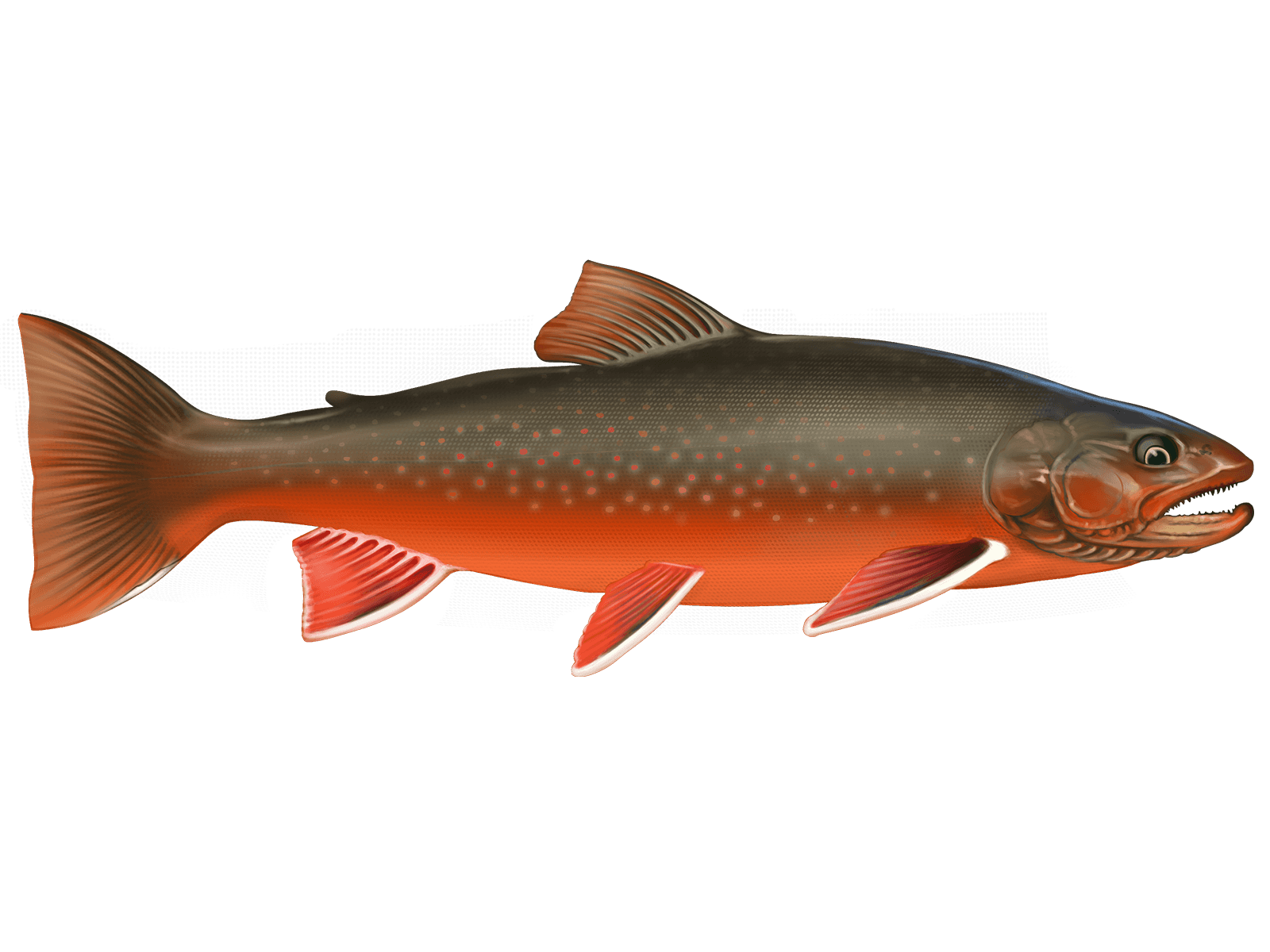
 Arctic Char
- Target rare arctic char in remote northern Maine ponds
- Full-day backcountry adventure lasting 9-14 hours
- Choose between trolling lead core or jigging spoon techniques
Trip Pricing and Availabilities:
Arctic Char Fishing in Northern Maine's Backcountry
Looking for something different? This isn't your typical day on the lake. We're talking about targeting one of North America's most elusive coldwater species - arctic char - in some of the most remote ponds Northern Maine has to offer. This is a serious backcountry fishing adventure that's earned a reputation among seasoned anglers who want to test their skills against a fish that most people will never even see. If you're ready to put in the miles and the hours for a shot at these rare beauties, let's make it happen.
What to Expect on the Water
This trip starts early and ends late - we're talking 9 to 14 hours depending on road conditions and how the fish are cooperating. I'll pick you up at one of three meeting points: Millinocket, Ashland, or Rockwood, depending on where you're coming from. From there, it's a 2-3 hour drive deep into the North Maine Woods, where we'll be fishing waters that see maybe a dozen anglers all season. You'll need your Maine fishing license and a day-use fee for the North Maine Woods - I'll give you all the details when we confirm your trip. Once we reach our destination pond, we've got 5-6 hours of prime fishing time, weather and access permitting. The drive back gives us time to talk about what we saw and plan your next adventure. This is backcountry fishing at its finest - no crowds, no pressure, just you, the water, and some of the rarest trout species in North America.
Trolling vs Jigging Game Plan
Here's where we get into the nitty-gritty of char fishing. I run two main techniques depending on what you're after. If you want consistent action and the best shot at multiple fish, we'll troll with lead core line. It's methodical, it covers water efficiently, and it puts fish in the boat. The lead core gets us down to where these char are hanging out in the deeper, colder sections of the pond. Now, if you're looking for more hands-on action and don't mind trading some consistency for excitement, we'll break out the jigging spoons. There's nothing quite like feeling a char slam your spoon on the drop - it's pure adrenaline. We can mix both techniques throughout the day, or stick with whatever's working best. I'm flexible on this because every angler has their preference, and every day on the water is different. The char will tell us what they want, and we'll adjust accordingly.
Species You'll Want to Hook
Arctic char are the holy grail of coldwater fishing in Maine, and for good reason. These fish are essentially living relics from the last ice age, surviving in only the deepest, coldest, most pristine ponds in the region. Most char in these waters run between 12-18 inches, but don't let the size fool you - pound for pound, they fight harder than anything else swimming in Maine's waters. They've got this incredible coloration that ranges from silver-bright to deep orange and red, especially during their fall spawning period. The best time to target them is late spring through early fall when they're most active, but they can be moody and selective about what they'll hit. What makes char fishing so special is the rarity factor - you could fish Maine waters for decades and never see one. These populations exist in maybe a dozen ponds statewide, and the access to most of them requires serious commitment. When you hook into a char, you're connecting with something truly wild and pristine. They're indicator species for water quality, so finding them tells you everything about the health of these remote ecosystems. Plus, they're absolutely beautiful fish with incredible fighting spirit that belies their size.
Time to Book Your Spot
This isn't a trip for casual anglers or folks looking for a relaxing day on the water. It's a full-day commitment through some of Maine's most remote country, targeting one of the region's rarest and most challenging species. But if you're serious about your fishing and want to experience something that 99% of anglers will never have the chance to do, this is your opportunity. I keep groups small - maximum two anglers - so you get personalized attention and the best possible shot at success. The season is short, access is weather-dependent, and spots fill up fast among the small community of char enthusiasts who know about these waters. If this sounds like your kind of fishing adventure, let's start planning your dates. Fair warning though - once you catch your first arctic char in these pristine backcountry ponds, regular fishing might never feel quite the same again.
Learn more about the species
Arctic Char
Arctic char are truly special - they're one of the rarest coldwater fish you can target in northern Maine. These beauties typically run 11-29 inches with dark green backs, silver sides dotted with light pink spots, and vibrant red bellies during spawn. What sets them apart from salmon is those distinctive light-colored spots instead of dark ones. We're heading to remote backcountry ponds where these fish thrive in cold, deep water - usually 9-16 feet down around rocky structure. They feed heavily on small fish, invertebrates, and smelt, making them aggressive fighters when hooked. The cooler months are prime time since they prefer water temps between 39-60 degrees. What makes this trip special isn't just the remote location - it's the quality of fish and the fight they put up. Plus, char are absolutely delicious table fare with that mild, fatty texture. Here's a local tip: when jigging spoons, work them slowly near bottom structure. These fish can spook easily in shallow areas, so keep your shadow off the water and don't overwork one spot.